

05/15/2026 by Nicole Peterson
Logistics Survival Guide for Hurricane Season 2026
Hurricane Season 2026 is here. Is your supply chain ready for it?
Every year, hurricane season puts supply chains to the test. From June 1st through the end of November, the Atlantics and Gulf Coast face months of weather uncertainty that can quickly impact freight movement and delivery timelines.
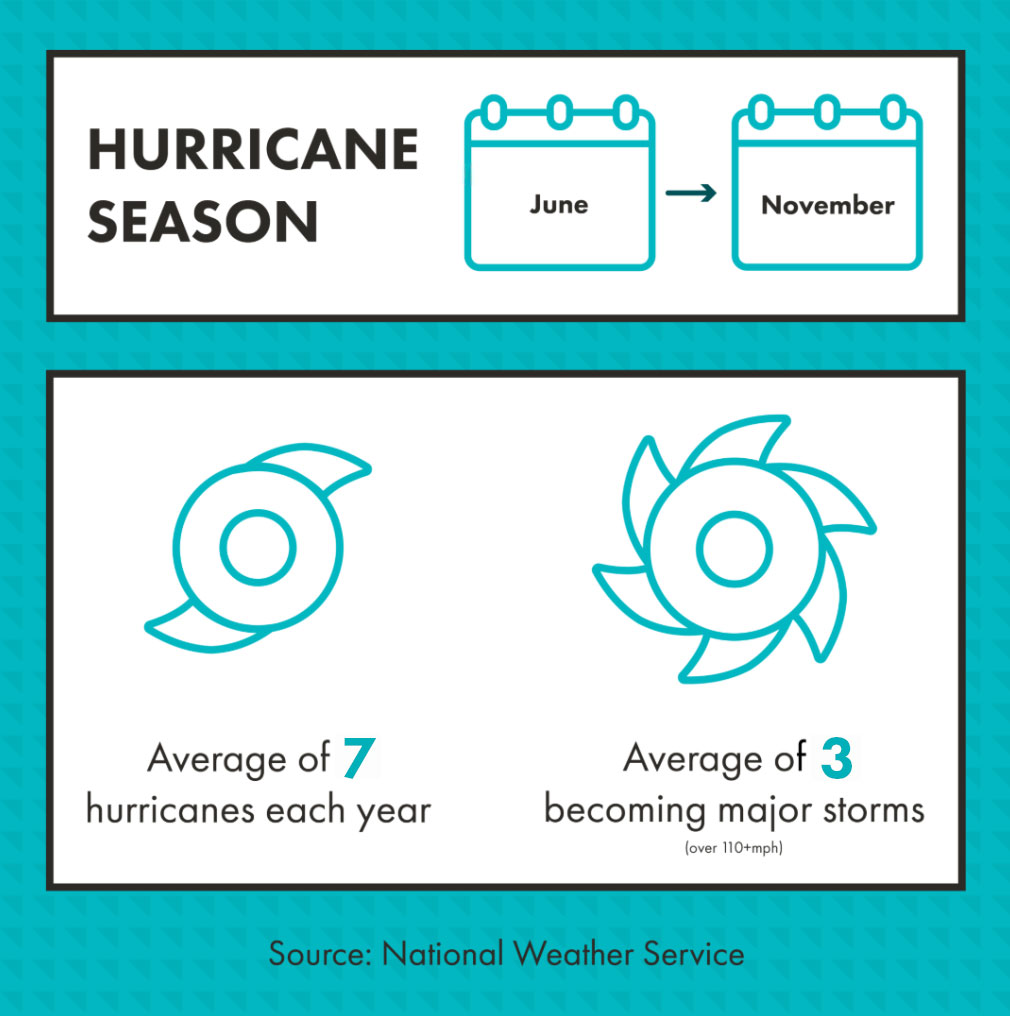
For Hurricane Season 2026, forecasts by The Weather Company and Colorado State University predict below normal activity this year. 12-13 storms are expected with 6 becoming hurricanes, and 2 reaching Category 3 or stronger. The average for hurricane season is 14 expected storms, 7 hurricanes, and 3 major ones.
Looking back at the previous seasons, recent storms like Hurricane Helen and Hurricane Debby caused major supply chain disruption. Flooded roadways, stranded trucks, delayed shipments, and shifted delivery windows are challenges many shippers know all too well.
For supply chains, hurricane season isn’t just a weather event. It’s an operational risk that requires planning, awareness, and the ability to adapt quickly.
Hurricane season or not, freight needs to move. Here’s how to prepare in a way that keeps your business steady, even when conditions aren’t.
Supply Chain Tips for Peak Hurricane Season
Stay Informed
Hurricanes can seriously disrupt even the most well-planned operations. Suddenly, storm paths can shift, change intensity, and tighten timelines. Staying informed gives you more time to respond.
Set up alerts so you’re notified about developing storms or hurricanes. Follow trusted weather sources closely throughout this time of year. Real-time updates will allow you to make decisions earlier, rather than after disruption has began.
Weather Sources to Consider
Maintain Communication
When a storm is approaching, communication matters just as much as planning.
As soon as there’s a potential threat, acknowledge it early and keep your customers and partners in the loop. Even if details are still developing, your communication can help set expectations and build trust.
Share updates on possible delays, rerouting, and recovery timelines as they evolve.
Don’t hesitate to share updates and be honest. Consistency and transparency go a long way during uncertain conditions.
Have an Emergency Plan Ready
An emergency plan should be clear, current, and easy to execute.
It should outline evacuation routes, communication protocols, employee responsibilities, and steps to protect inventory and facilities. Just as important, your team should know how to use it.
Review and update your plan regularly to make sure it still works for your team, your operations, and any new risks that may come up. Running through scenarios ahead of time can make a real difference when decisions need to happen quickly.
Emergency Plan Checklist:
- Evacuation routes
- Crisis communication plan
- Employee roles
- Inventory protection plan
- Emergency supply access
- Facility support procedures
Stay Flexible and Consider Backup Plans
Hurricane season often forces quick changes, throwing a wrench in your usual operations. Having backup options in place makes those changes easier to manage.
This can include repositioning inventory inland, identifying alternative transportation modes, or working with multiple suppliers and logistics partners so you have that diversity when needed. Rerouting becomes more manageable when those paths are already considered ahead of time.
Flexibility is what helps keep your freight moving, even when your original plan no longer works.
If your backup plans still has gaps, now is the time to close them. We can help you build a more flexible, storm-ready supply chain before hurricane season 2026 ramps up.
Get started. Request a quote.ENHANCE VISIBILITY IN YOUR SUPPLY CHAIN
During hurricane season, having visibility in your supply chain can make all the difference.
Thorough tracking tools like transportation management systems (TMS), GPS tracking, IoT sensors, or AI forecasting tools can offer you real-time data to help you understand where your freight is and what risks may be ahead. With better visibility, you can respond faster and make more informed decisions.
Knowing what’s happening across your supply chain gives you a level of control that’s hard to replace.
Discover the visibility gaps your supply chain hasVisibility = Power
Knowing where your freight is, what risks lie ahead, and how to respond gives you the power to act, not react.
BOUNCE BACK FASTER WITH A RECOVERY PLAN
What happens after the storm matters just as much as what happens before it.
According to U.S. Congress, 40% of businesses do not reopen after a disaster. That’s not meant to scare you; it’s a reminder of why planning for recovery helps protect against long-term disruption.
A strong recovery plan includes assessing damage, restoring operations, and reconnecting with suppliers and partners. Having those steps mapped out ahead of time can shorten downtime and help you regain momentum faster.
40 percent of businesses do not reopen after a disaster.
– U.S. Congress
Weather the Storm with a Reliable Logistics Partner
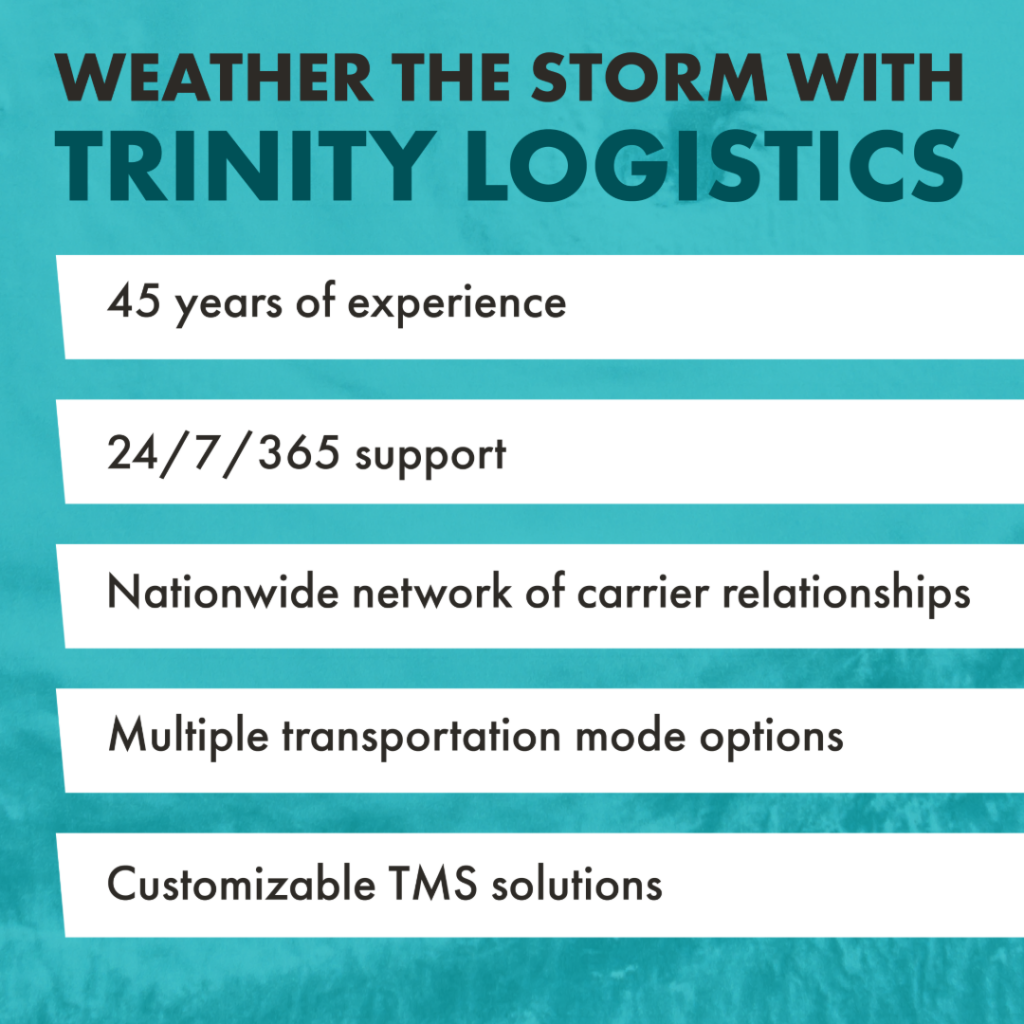
Even with a below normal activity predicted for Hurricane Season 2026, it will still bring its fair share of challenges to the logistics industry. The question is whether your business is going to be prepared for it.
Working with an experienced and trusted logistics partner, like Trinity, gives you added support when conditions become unpredictable. While hurricanes can roll in a cloudy overcast of unknowns, Trinity can be there to shine a light toward safety and security.
We have 47 years of experience helping thousands of supply chains navigate disruptions, including hurricane season, year after year. Our Team is available around the clock, with a nationwide network of trusted carriers and access to multiple modes of transportation when plans need to change. We focus on keeping communication clear, providing visibility into your freight, and helping you stay one step ahead when it matters most.
With the right preparation and the right logistics partner, you can move through Hurricane Season 2026 with more confidence and less disruption. Don’t wait until a storm is already impacting your operations.
Request a quote today for a more resilient, better-prepared supply chain this hurricane season.
Get started