07/22/2026 by Christine Morris
5 Cold Chain Shipping Failures Costing Shippers Every Summer
Summer should be a profitable time for food manufacturers and retailers, but cold chain shipping failures come with a cost. Unfortunately, they’re also more likely to occur during this season.
Demand spikes as consumers stock up for summer cookouts, holiday weekends, and events. At the same time, food shippers face higher temperatures, tighter capacity, and increased pressure across the transportation network.
Under those conditions, even routine disruptions can create bigger problems than expected. A small temperature deviation, delayed loading appointment, or poor carrier communication about a breakdown can quickly put product integrity and customer commitments at risk.
One rejected load can impact far more than the value of the product itself. Retailer penalties, replacement shipments, expedited freight costs, and strained customer relationships can all follow.
The good news is that many of the most common summer cold chain shipping failures are preventable when you know what mistakes to avoid.
The Real Cost of Summer Cold Chain Shipping Failures
With cold chain shipping, most think that the only risk is spoiled product. But the actual risk is much larger than that.
A rejected load can create a chain reaction that affects many teams across the business.
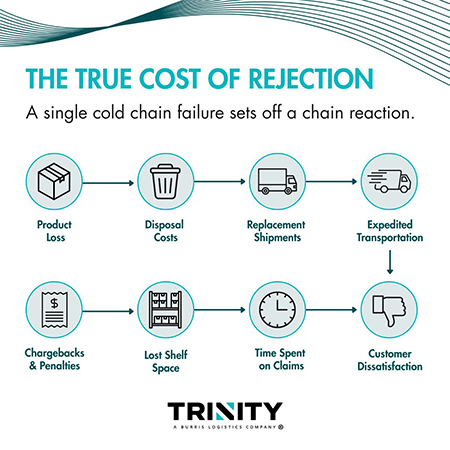
If the shipment was intended for a major sales period, like during summer, the impact can be even greater. The financial loss tied to a cold chain shipping failure rarely is just the value of the freight itself. It goes as far as impacting your company’s bottom line.
Why Summer Creates More Risk for Food Shippers
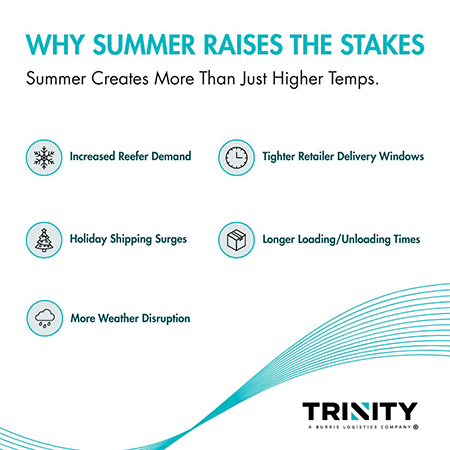
Heat is just one piece of the puzzle during the summer freight shipping season.
Capacity Competition
During summer, more commodities need temperature control than usual. Overall freight demand also increases. Reefer capacity tightens and pushes rates up an average of 10 – 30% higher.
Holiday Shipping Surges
There are several holidays taking place this time of year, with the most known being July 4th. This holiday historically has driven rates up 8 – 12% above market average.
More Weather-Related Disruptions
Summer doesn’t just bring the heat but severe weather conditions as well. Hurricanes, tornadoes, wildfires, and severe thunderstorms all increase this time of year, often creating delays or the need to reroute shipments.
Tighter Retail & Delivery Windows
Retailers often tighten appointment schedules during summer demand spikes to keep shelves stocked and inventory moving.
Longer Loading & Unloading
Warehouses and distribution centers are handling more volume, which can increase loading times and create congestion at critical points in the supply chain.
As the summer challenges stack up, maintaining product integrity only becomes more difficult, more expensive, and more time-consuming for food shippers.
Don’t let your business get behind this summer.
Lock in reliability now with a free quote.
Quote my next shipment5 Preventable Cold Chain Shipping Mistakes Costing Food Shippers Every Summer
Mistake 1: Focusing on Trailer Temperature Instead of Product Temperature
Many temperature-related claims actually start before a shipment even leaves the facility.
Improper product pre-cooling, warm product entering the trailer, excessive dock exposure, or long loading times are all common offenders. Even when a reefer trailer is operating correctly, product quality can already be compromised.
Protecting product quality starts inside the facility. Consistent temperature checks and disciplined loading procedures are critical to prevent problems.
Mistake 2: Prioritizing Capacity Over Carrier Quality
When freight demand increases, finding available trucks is more difficult.
That pressure can lead shippers to focus on simply securing capacity fast and at the right price. Rather than fully evaluating who is moving the freight. It’s an easy, human mistake to make. But one that can quickly create larger issues if ignored.
Inexperienced or poorly vetted carriers increased the likelihood of:
- Temperature deviations
- Missed appointments
- Communication gaps
- Service failure
- Cargo theft/fraud
Even when the pressure is on, you must be diligent in your carrier vetting. Focus on those with food-grade trailers and temperature-controlled expertise to haul your product. Not taking the time to vet or going with the cheapest rate can cause more costly and time-consuming problems down the road. The extra time and slightly higher rate are worth it.
Mistake 3: Understanding the Impact of Dwell Time
One of the most overlooked risks in cold chain shipping is time spent standing still.
Products can sit at shipper facilities, distribution centers, and receiver locations longer than expected when operations become congested. During the summer months, those delays become consequential. The longer a shipment waits, the greater risk for temperature exposure, appointment issues, and downstream service disruptions.
To stay on top of dwell times, keep track of them with your carriers. Make sure to coordinate appointments closely and proactively address any delays in operations before they impact your shipments.
Mistake 4: Operating Without Real-Time Visibility
Many cold chain shipping failures aren’t discovered until it’s too late to fix them.
Without real-time visibility, equipment issues, delays, and temperature concerns can go unnoticed until they become much bigger problems. By then, your options may be limited.
Working with a logistics partner that provides shipment tracking and proactive communication gives you a better chance to address issues early and keep freight moving as planned.
Looking to optimize transportation performance and protect your bottom line?
Get a complimentary supply chain analysis and discover the inefficiencies you may be missing in your day-to-day visibility.
Find my inefficienciesMistake 5: Treating Claims Prevention as an Afterthought
Too many organizations focus on claims resolution rather than claim prevention.
Unfortunately, by the time a load is rejected, most recovery options are already limited.
The most successful food shippers focus on prevention.
They regularly review claims data to uncover recurring issues. Look for temperature deviations, carrier performance concerns, appointment delays, or loading inconsistencies. Those insights can help strengthen processes, improve communication, and reduce the likelihood of future claims.
Having a documented claims process is equally important. When issues do occur, clear procedures helps teams respond faster and keep disruptions to a minimum.
Every rejected load is an opportunity to learn something. The goal isn’t just to resolve the claim. It’s to prevent the same issue from happening again.
Summer Cold Chain Shipping Readiness Checklist
Before summer demand reaches its highest point, run through this checklist of questions:
Transportation Readiness
- Have carrier partners been vetted for cold chain expertise?
- Do we have backup transportation options?
- Have we reviewed carrier performance from previous summers?
Product Protection
- Are products being pre-cooled properly?
- Are loading and unloading procedures documented?
- Are temperature requirements clearly communicated?
Visibility & Communication
- Can we identify in real time?
- Do all stakeholders know who to contact when issues arise?
- Do we have visibility into shipment status throughout transit?
Risk Management
- Do we have a claims prevention strategy?
- Are contingency plans in place for weather or capacity disruptions?
- Have we reviewed lessons learned from previous peak seasons?
What Leading Food Shippers are Doing Differently
The most successful food shippers prepare for summer before demand reaches its peak.
They secure reliable capacity early, monitor carrier performance, and identify areas where delays are most likely to occur. They invest in visibility, build contingency plans, and use past challenges to improve future performance.
When summer demand picks up, preparation can make all the difference. Companies that plan ahead spend less time putting out fires and more time keeping products moving to their customers.
How Trinity Helps Food Shippers Reduce Summer Cold Chain Risk
Many of the challenges that come with summer cold chain shipping are difficult to manage alone. Transportation teams must juggle capacity, carrier performance, customer expectations, facility delays, and shipment visibility every day.
That’s where Trinity can help.
We work with food shippers to secure reliable temperature-controlled capacity, improve shipment visibility, provide proactive updates, and address issues before they turn into bigger problems.
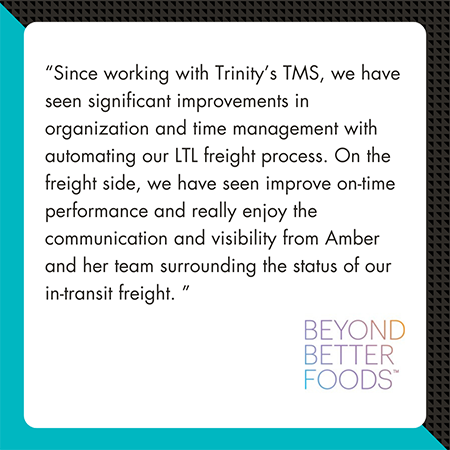
Customers get one dedicated point of contact, access to a large network of vetted carriers, real-time tracking, and support whenever they need it. Backed by more than 45 years of transportation experience, our Team helps keep cold chain shipments moving safely and efficiently.
Summer Success Starts Before the Problems Show Up
Summer doesn’t have to mean rejected loads, claims, delayed deliveries, or unhappy customers.
The most successful food shippers prepare before problems happen. They identify risks early, strengthen their transportation processes, and work with trusted logistics partners to keep products moving throughout the season.
Feeling the Pressure of Summer Demand?
If you’re preparing for higher volumes, tighter capacity, or increased cold chain risk this summer, Trinity can help.
Get a quote for your next shipment and see how our team can help keep your freight moving.
Quote My Next Shipment