
If you’re responsible for temperature-controlled shipping, you already know the pressure it brings. One delay or one temperature failure can quickly create problems. Spoiled product means lost trust, revenue, and added pressure to your company’s bottom line.
From food and retail to pharmaceutical and healthcare supply chains, temperature-controlled shipping has become increasingly complex. Shippers must manage seasonal demand spikes, changing regulations, tight capacity, and extreme weather conditions while still delivering freight safely and efficiently.
The good news is that staying ahead of temperature-controlled shipping challenges is possible with the right approach. This guide breaks down the biggest challenges facing cold chain logistics today and practical ways to reduce disruptions, improve resilience, and keep operations running smoothly year-round.
- Why Temperature-Controlled Shipping Is So Challenging Right Now
- Temperature-Controlled Seasonal Challenges
- 6 Tips for Managing Temperature-Controlled Shipping
- Where the Right Logistics Partners Makes a Huge Difference
Why Temperature-Controlled Shipping Is So Challenging Right Now
Growing Cold Chain Demand
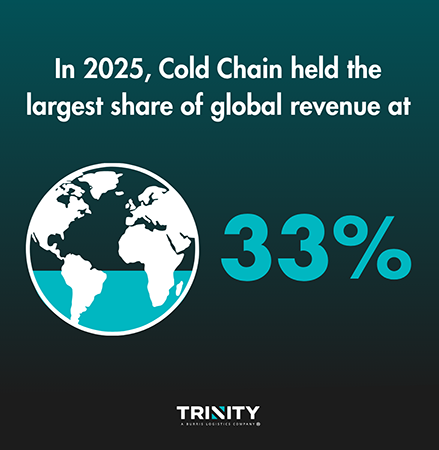
Demand for temperature-controlled shipping continues to rise across food, retail, and pharmaceutical supply chains. In fact, the North American cold chain market held the largest global revenue share at more than 33% in 2025. It’s projected to reach $1,611 billion by 2033, growing at a CAGR of 20.5%. This growth is being driven by changing consumer preferences, increased demand for fresh and frozen foods, and the continued growth of e-commerce.
Online grocery shopping has also added pressure to cold chains. According to Capital One Shopping research, 28% of shoppers now buy groceries online at least once a month. As consumers continue expecting fresh products to be delivered quickly, the need for reliable temperature-controlled shipping continues to increase.
The pharmaceutical industry is another major driver behind cold chain growth. More than 90% of vaccines and biologics rely on cold chain logistics, including temperature-sensitive mRNA vaccines that need ultra-low temperatures using cryogenic storage. At the same time, the rapid growth of randomized clinical trials has increased the need for specialized logistics support for tissue samples, blood products, and other highly sensitive materials.
Increased Regulatory Pressure
Regulatory pressure also continues increasing for shippers handling temperature-sensitive freight. Food shippers must comply with Food Safety Modernization Act (FSMA) requirements. They involve:
- temperature control
- sanitation
- contamination prevention
- training
- monitoring
- logging
- record keeping
- proper packaging
- equipment maintenance
Pharmaceutical supply chains must comply with Current Good Manufacturing Practices (CGMP) and Drug Supply Chain Security Act (DSCSA) requirements. They involve:
- validated packaging
- temperature monitoring
- prescription drug traceability
- record-keeping
- corrective action procedures
Ongoing Capacity Constraints
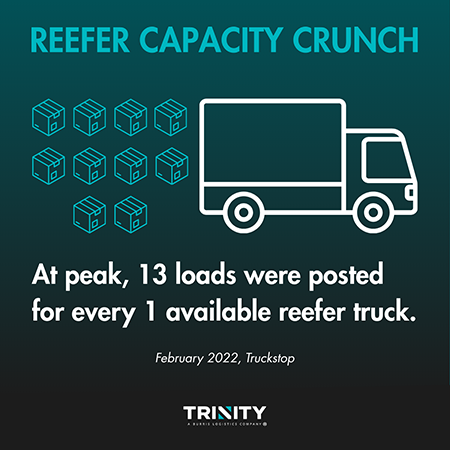
Capacity constraints continue creating challenges for temperature-controlled freight because of its high load-to-truck ratios. There’s more temp-controlled freight that needs moved than there are available trucks to move it. For example, in February 2022, there were roughly 13 reefer loads posted for every available reefer truck.
With there already being a limited supply of reefer trailers and qualified drivers available year-round, peak seasonal demand just makes it more difficult for shippers.
And shipping reefer LTL can be even more difficult due to limited network coverage and consolidation challenges.
Weather Challenges
Extreme weather conditions also impact demand for reefer equipment throughout the year. Summer heat drives demand for refrigerated shipping, as does low winter temperatures.
Temperature-Controlled Shipping Costs More
Shipping temperature-controlled simply costs more. And those costs continue to rise.
Refrigerated trailers need more fuel and more maintenance. Temperature-controlled freight needs specialized handling, often higher insurance coverage, and experienced carriers. On average, reefer shipping rates can run roughly 20% higher than dry van.
With reefer LTL, there’s often higher handling costs and underutilized space, compounded by rising fuel surcharges.
The growing demand for high-grade pharmaceutical transportation also continues to add pressure to cold chain costs.
The reality is that temperature-controlled shipping challenges are not one-size-fits-all. They shift constantly with seasons, industry fluctuations, regulation changes, and the general ups and downs of demand.
Temperature-Controlled Shipping Seasonal Challenges
Produce Season
Produce season creates one of the largest annual surges in temperature-controlled shipping demand. Beginning as early as February, regions across the U.S begin harvesting and shipping produce.
As produce volumes increase, reefer capacity tightens. Shippers in areas of high-production regions and major grocery distribution markets certainly see it. Lead times shorten, spot market pricing rises, and securing reliable refrigerated capacity becomes more difficult.
Summer Heat
Then comes Summer, and its heat adds pressure across temperature-controlled supply chains. Spoilage risks increase significantly during extreme temperatures, especially for perishable goods.
Even products that would otherwise move dry van increase reefer demand during heat waves. This places extra strain on reefer equipment availability.
At the same time, reefer units work harder in high temperatures. This then increases the likelihood of equipment strain or failure. During the hottest time of year, shippers need faster transit decisions, tighter monitoring, and more proactive communication to avoid disruptions.
The Fall & Holiday Food Rush
As summer ends, another major shipping surge begins. Fall retail inventory, back-to-school demand, and holiday food shipping all begin overlapping.
Perishable goods, grocery products, frozen foods, candy, beverages, and seasonal retail items all compete for transportation capacity at the same time. Rates often increase and available trucks get harder to find.
The holiday season also creates greater risk around delays. Missed delivery windows can lead to stockouts, empty shelves, penalty fees, strained retailer relationships, and expensive expedited freight costs.
Winter Isn’t Much Easier
Winter introduces a different set of challenges for temperature-controlled shipping. While the focus is often on keeping products cool, this time of year freezing becomes a risk. Certain beverages, pharmaceuticals, produce, and chemicals all become damaged if temperatures drop too low during transit.
Snowstorms, ice, and winter weather disruption can also delay shipments and impact routing.
6 Tips for Managing Temperature-Controlled Shipping
Managing temperature-controlled shipping successfully requires the right planning and operational strategies. Proactive operations see fewer disruptions, stronger performance, and better long-term outcomes.
Plan for Seasonal Shifts, Not Just Day-to-Day Operations
Temperature-controlled shipping demand changes throughout the year. Planning ahead for the seasonal increases can help shippers avoid peak spot market pricing and secure capacity. Whenever possible, look ahead at shipment timing, lead times, and seasonal trends before capacity starts to shift.
Secure Capacity Earlier Than You Think
Lead time matters in cold chain logistics. Waiting too long can make securing reliable capacity much more difficult and expensive.
Booking freight earlier helps improve carrier availability, pricing stability, and service consistency.
Build Flexibility into Your Network
Having backup options available before disruptions occur can make a major difference during seasonal spikes or unexpected delays.
Explore and build in alternative transportation options into your strategy. Intermodal and expedited shipping can be smart assets when planned proactively.
Trinity has alternative options to keep your operations flexible.
Get a FREE quote for the mode your freight needs.
Quote my next shipmentUsing Data Analytics to Optimize Operations
Data visibility plays a major role in improving temperature-controlled shipping performance. Clear analytics can help identify inefficiencies, improve route optimization, reduce transit times, and reduce unnecessary fuel usage.
Improving wholistic visibility helps your teams react faster if disruptions occur.
View the inefficiencies you’re missing. Find the visibly you need.
Claim your FREE Supply Chain AnalysisDiversify Your Carrier Network
There is a lot of juggling to do when managing the cold chain. If even one ball is dropped, it can affect the whole cold chain. You can prepare as best as you can for these Relying too heavily on a single provider can create extra risk when capacity tightens. Carrier diversification helps reduce exposure to shortages, service disruptions, and inflated pricing during peak shipping seasons.
This is one area where working with a 3PL can provide significant value. Gaining access to their large pool of carriers can be easier than trying to establish your own.
Work with Experienced Logistics Partners
Not every logistics provider has experience handling temperature-sensitive freight. Cold chain shipping requires careful planning, strong communication, and the ability to respond quickly when conditions change.
Shippers should fully vet the providers they work with and make sure their goals, processes, and service expectations align. Experience with seasonal demand shifts, regulations, and temperature-sensitive products can make a major difference when disruptions happen.
Temperature-Controlled Shipping: Where the Right Logistics Partner Makes a Huge Difference
Many shippers believe they are simply looking for capacity when shopping for a logistics provider. In reality, what they often need is better guidance, planning, visibility, adaptability, and long-term support.
The right logistics partner helps create efficiency instead of bottlenecks. They should provide:
- actionable data
- shipment visibility
- transportation insights
- the flexibility to adjust quickly when disruptions happen
In temperature-controlled shipping, conditions can change fast.
But the right partner will already be ahead of it and keep freight moving even when the pressure increases.
Stay Ahead of Temperature-Controlled Shipping Challenges
Temperature-controlled shipping will always come with risk. But with the right planning and support, it can be managed effectively.
At Trinity Logistics, we’ve helped thousands of shippers with temperature-controlled shipping. They often choose to work with us because we offer:
- real-time tracking and visibility tools
- access to our large network of vetted carriers
- multiple transportation modes including reefer LTL
- proactive communication and insights
- customizable Managed Transportation solutions
Because of our 47 years of experience, our Team understands the importance of compliance and operational consistency for food and pharmaceutical supply chains. That’s why we follow strict temperature-controlled operating procedures. This includes details like verifying trailer age, door type requirements, temperature-tracking capabilities, and insurance coverage for high-value freight.
Named a Top 3PL & Cold Storage Provider by Food Logistics, Trinity helps shippers create more resilient temperature-controlled shipping strategies. That way your business can stay flexible despite the seasonal pressures your industry faces.
When temperature-sensitive freight is on the line, the right logistics partner can be the difference between staying ahead of disruptions or falling behind your competitors.
Find out how Trinity Logistics can strengthen your temperature-controlled shipping strategy with the capacity, visibility, and flexibility needed to keep freight moving year-round.
Get started by requesting a quote for your next shipment.
Get a FREE quoteCold chain warehousing solutions are mostly used by bigger companies that are dealing with perishable items. For example, manufacturers in the food industry use them to warehouse their products until they make their way to end-users. This kind of warehousing is used for storing items that need cool surroundings to prolong their life and keep them from spoiling. There are many more benefits that come with cold chain warehousing solutions, thus, if this is something that may interest you, keep on reading.
Different Types of Cold Warehousing Solutions
One of the benefits of cold chain warehousing solutions is that there are many different types to choose from. For example:
- Refrigerated Containers – small, basic, and mobile.
- Blast Freezers – used by restaurants and catering companies.
- Blast Chillers – used in supermarkets for keeping the foods fresh and chilled.
- Cold Rooms – big, versatile, climate-controlled rooms.
- Pharmaceutical Grade Cold Storage – used in hospitals and research labs
- Custom Cold Storage – warehousing that can be adjusted to your needs in terms of size, temperature, different features, etc. Also a great solution for shipping hazmat.
These are just some of the many different types of cold chain warehousing solutions. You, as an individual or a company, should choose one that best suits your needs and budget.
Versatile Use
It is important to mention that cold chain warehousing solutions are rather versatile. For example, you can use them when storing or transporting perishable foods, as mentioned before. Those can be fruits, vegetables, all types of meat and seafood, as well as all types of dairy products. You can also use them for plants and flowers if you are their manufacturer, distributor, or seller. Finally, you can use them for biopharmaceutical products should you own a clinic or a lab. Many different businesses can benefit from their use.
Whether you are starting your business that deals with perishable products or relocating a business operation that deals with perishable items, choose a warehousing solution that suits your needs.
Customized To Fit Your Needs
Another thing that makes cold chain warehouse operations great is that they also vary in features they provide to their users. Depending on your needs, the warehousing you choose can be either fixed or portable, or even both if that is what you need.
Moreover, if you need to store and ship frozen food, you’re not the one who will be shivering. But the temperature inside them is not the only thing you can control. You can control its humidity and the circulation of air. We all know how important those two are for keeping perishable items fresh and of good quality. Thus, it does not matter what kind of items you are working with. If you get custom cold storage, you can easily adjust its features to suit your needs.
Use of Technology
We live in the age of technology. Thanks to it, we are able to control almost anything with our phones, for example. You can turn the washing machine on, check whether everything is okay in your office, and even manage your cold chain warehousing.
Yes, using your phone, you can monitor your warehousing. You can constantly check the condition of your perishable items inside, as well as adjust the features from your phone or computer, etc. The possibilities are endless.
What interests most companies when it comes to technology and warehousing is the data that can be analyzed. For example, you can monitor the condition and quality of your perishable items based on the effects they exhibit and which were obtained from traceability. What this does is improve the overall management of perishable products.
Have Backup
New technology and cold chain warehousing solutions save you time, energy, and money. They extend the life of your perishable products, keeping them at their best quality for your customers. Finding those warehousing solutions can be difficult, which is why working with a logistics provider, like Trinity Logistics, can make your work easier. With over 40 years of experience as logistics problem solvers and being a part of the Burris Logistics family, Trinity can help you find the warehousing solution you need.
Looking to get started with Trinity Logistics for your warehousing needs?
Request a quoteWhether you’re a large corporation coordinating dozens to hundreds of shipments a day, or a small family-owned business shopping for the best way to ship your product monthly, a third-party logistics (3PL) company like Trinity Logistics can help you find your best logistics solution. While our most popular service is coordinating truckload shipping, there are several logistics solutions to suit businesses with shipments of all shapes, sizes, methods, and budgets.
What Services Does Trinity Offer?
As a 3PL, we have a network of more than 70,000 authorized carriers to coordinate freight services for our customers. We can arrange:
- Truckload
- Less-than-truckload (LTL)
- Warehousing
- Managed Services
- Intermodal(rail)
- Drayage
- Expedited
- International
- Other non-standard freight: airport recovery, liftgate services, oversized and over-dimensional, specialty transportation equipment, etc.
Find the Logistics Solution You Need
TRUCKLOAD
Access our network of 70,000 authorized carriers for your dry, temperature-controlled, hazmat, or flatbed shipping needs.We arrange the transport of your freight and track it from origin to delivery.
LTL
Can’t fill a truck? We can help optimize your smaller-scale shipments. Live track your freight delivery time so you can manage your inventory with our free LTL software. Additionally, consider using LTL CSP or customer specific pricing. CSP can offer you savings on LTL freight costs, reduce dock congestion, and have you be less impacted by annual carrier general rate increases.
WAREHOUSING
Whether you’re securing seasonal warehousing, overflow storage, or planning an entire distribution network, we can help. We’ll select the best warehouse space for your needs and negotiate the most competitive pricing for your project. We can also find warehouse space or cross-dock space in an emergency situation, in any state or city.
MANAGED SERVICES
Gain control and visibility to your supply chain, reduce costs, improve performance, and increase efficiencies with our Managed Transportation technology solutions, or TMS.
INTERMODAL
If your shipments need to travel more than 750 miles, Intermodal shipping (via rail) is a cost- and environmentally-friendly alternative to truckload shipping. This mode offers reliable and consistent capacity due to less competition and is nearly as fast as shipping truckload. If you’re looking to reduce transportation spend by saving on fuel and reducing your carbon footprint, intermodal may be a good option to consider.
DRAYAGE
If you import or export freight using U.S. ports, we now offer a full array of drayage services. With drayage, your freight can be delivered from the port right to your door, or from your door right to the port, saving you money in the process. Our dedicated and knowledgeable team can coordinate pickup and/or delivery on a tight turnaround, for port cut or to get your freight out before the Last Free Day and can help you avoid unnecessary fees.
EXPEDITED
If you need your shipment moved faster than standard LTL transit times allow, we offer expedited shipping options for shipments between one and twelve pallets that weigh under 10,000 pounds. We can schedule for delivery on a tight turnaround, such as for trade shows or short appointment windows, utilize carriers with right-sized vehicles including cargo vans, sprinters, and straight trucks, and arrange for door-to-door transport of your freight via air, when expedited OTR isn’t fast enough.
INTERNATIONAL
Through our relationships with freight forwarders, we can help arrange shipment of your air and ocean dry freight shipments. We can help by having a communication intermediary between you and freight forwarders, assisting with customs clearing, providing access to U.S. customs-bonded storage, and offering additional cargo insurance.
Have other shipping needs that don’t necessarily fall under one of these categories?
We are more than happy to help. If you need heavy haul, liftgate services, specialty transportation equipment, or something else, our dedicated team of logistics professionals is waiting to help find a logistics solution for you.