02/12/2026 by Chad Schilleman
Impact of Tariffs: Why Stability Matters More Than Size
When it comes to the impact of tariffs, American businesses are capable of adapting across a wide range of market conditions. The real challenge isn’t the presence of tariffs themselves, but the lack of clear and consistent direction.
Give American companies a steady course and they’ll adapt. When conditions shift frequently or with limited notice, even the strongest supply chains start to struggle.
After more than twenty years in logistics, I’ve learned that this industry is built to absorb disruption. It’s worked through recessions, labor shortages, global shutdowns, port congestion, and weather events that shut down entire regions.
For us logistics professionals, complexity is expected. It’s just part of the job. What actually makes our jobs tough is confusion.
Recent shifts in trade requirements highlight how quickly uncertainty can ripple through supply chains.
Tariffs Are Not the Problem. Unpredictability Is.
Tariffs are not new, and they’re not automatically harmful. Across the logistics industry, there is broad recognition that trade works best when rules are applied consistently and competitively.
Free Trade functions well when all participants operate under similar standards. In reality, some foreign governments subsidize production, manipulate currency, or support state-backed carriers that can undercut U.S. companies. In those situations, tariffs are often used as a tool to address imbalances and protect domestic industries.
The challenge isn’t whether tariffs exist. It’s how frequently they change and how quickly they’re implemented or reversed. It can feel like the rules are moving faster than supply chains can realistically adjust.
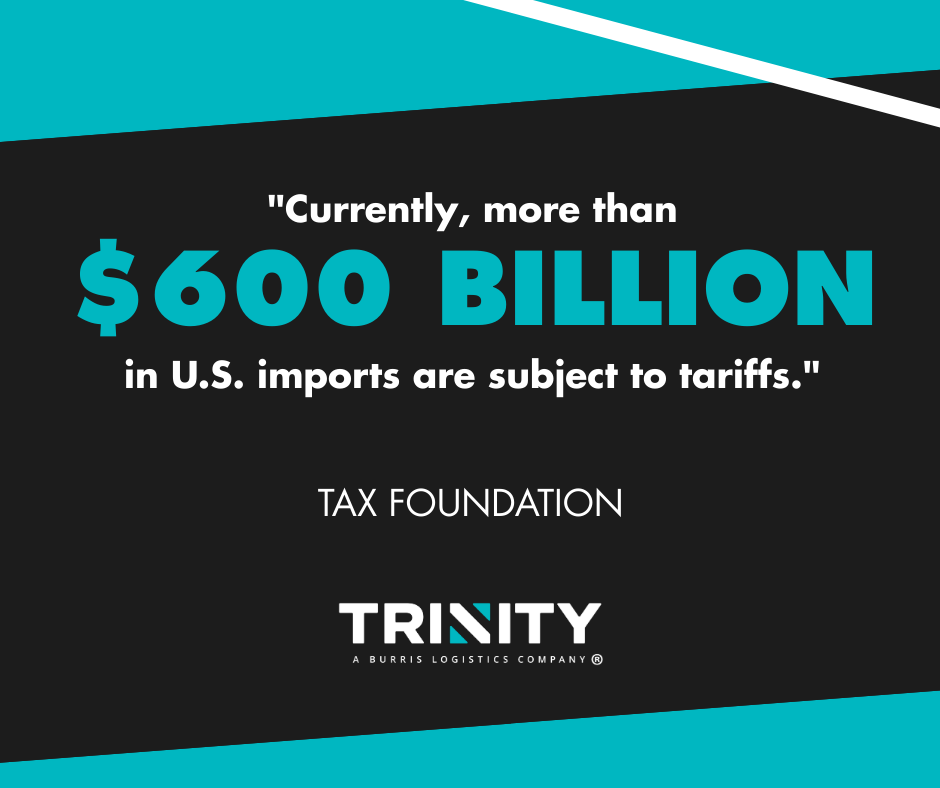
According to the Tax Foundation, more than $600 billion in U.S. imports are currently subject to tariffs, which means a significant share of global trade is affected by changing cost structures. In parallel, ongoing legal reviews may result in certain tariffs being adjusted or overturned over time. Together, these factors add complexity for businesses as they evaluate whether to make near-term supply chain changes or maintain existing sourcing strategies.
When sourcing decisions shift, like moving production from China to Southeast Asia, Mexico, or closer to home, each move requires new work. Companies must establish new suppliers, transportation lanes, compliance processes, and investments. If trade conditions later change, organizations then face decisions about whether to maintain those new structures or reassess their approach.
Over time, repeated adjustments can introduce operational friction. Each shift requires planning, coordination, and execution, which can affect cost, timing, and network efficiency across the supply chain. Managing this level of change is possible, but it becomes more challenging when long term planning assumptions need to be revisited frequently.
Election Years Add Another Layer of Uncertainty
Periods of political transition add another layer of uncertainty for businesses. When future trade policy direction is unclear, many companies choose to wait. Importers delay orders. Exporters slow shipments. Long term transportation agreements get paused.
The result is uneven freight volumes, heavy one month, then light the next. This makes planning difficult and isn’t optimal for supply chains. Companies are trying to protect themselves from sudden policy shifts that could change landed costs overnight.
What Tariff Whiplash Looks Like on the Ground
That is where the theory ends and the real world starts.
Those of us in logistics feel the impact almost immediately.
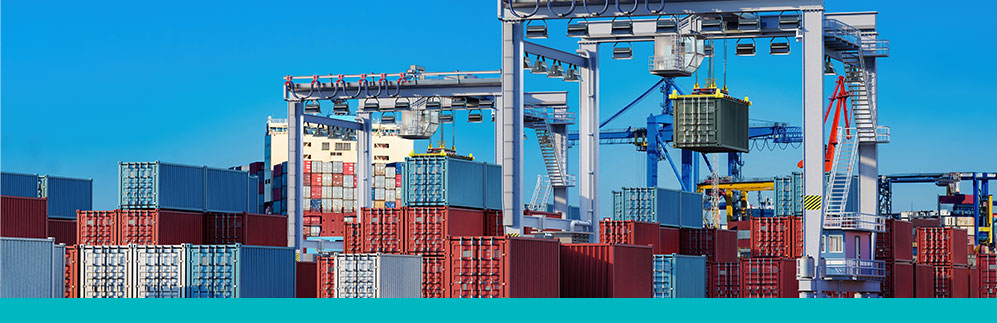
When tariffs are expected to increase, freight rushes in ahead of deadlines. Ports back up. Chassis become scarce. Containers sit longer while detention and demurrage charges rise. Drayage networks get stretched thin as shippers shift gateways with very little notice.
When policies change again, volume pulls back just as fast. Equipment ends up in the wrong places. Warehouses swing from full to underutilized. Transportation plans that were optimized weeks earlier suddenly no longer make sense. This pattern has repeated itself many times.
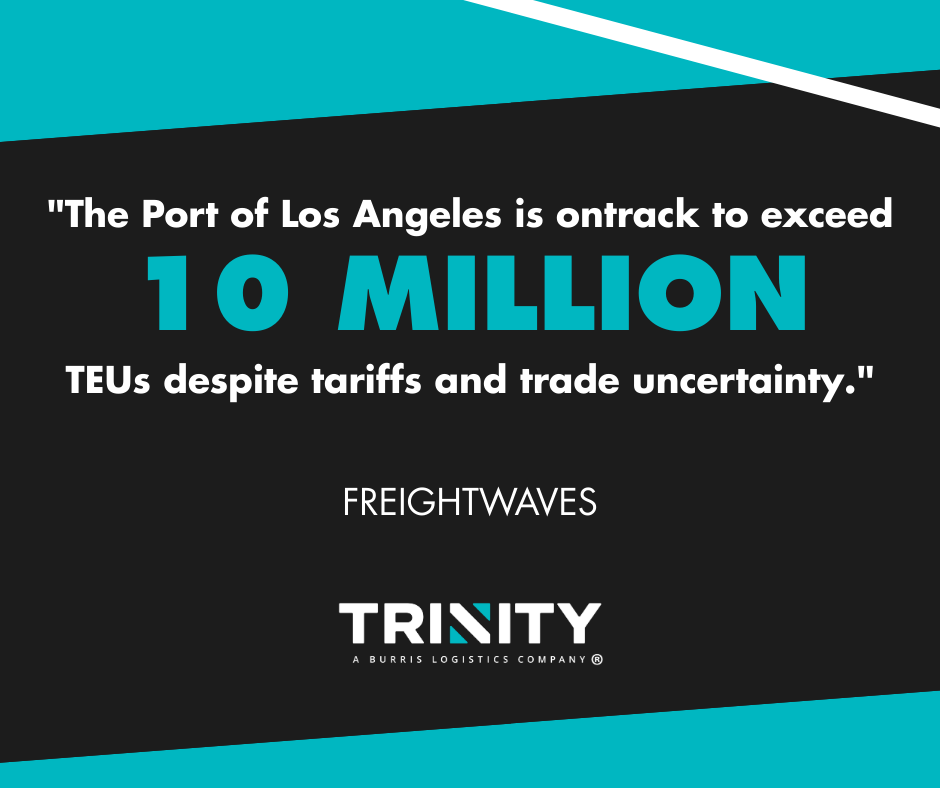
Cargo keeps moving though. As FreightWaves recently reported, the Port of Los Angeles is on track to exceed ten million TEUs despite tariffs and trade uncertainty. The system is resilient, but resilience doesn’t always mean efficiency, nor does it mean stability.
Businesses Can Handle the Impact of Tariffs When Conditions Are Clear
Experience shows me that businesses can handle a wide range of challenges when they have a clear understanding of operating conditions. Change such as higher costs, new regulations, or shifts in sourcing regions are typically manageable when there is sufficient lead time and clarity to plan accordingly.
Challenges tend to increase with the impact of tariffs when changes occur with limited notice or unclear communication. In those situations, companies may need to respond quickly rather than long term planning strategies. Factors such as trade agreements, infrastructure conditions, labor availability, and environmental standards will shape how freight moves and what it costs to move it.
When operating conditions are clearly defined and communicated, businesses are better positioned to plan, invest, and build strong partnerships. When clarity is limited, more time and resources are often spent adapting in the short term rather than focusing on continuous improvement.
A Call for Clarity, Not the Absence of Change
This isn’t a call for a world without tariffs or change. Change is part of doing business. What companies benefit from most are predictable timelines, clear communication, and phased implementation that allows supply chains to adjust in a strategic way.
Including logistics leaders in trade discussions for their operational expertise can make it easier to understand how these decisions translate into real-world execution. The practical goal should be to support businesses in their competitiveness and efficiency so freight can keep moving reliably.
After two and a half decades in logistics, I can say with confidence that this industry will continue to adapt. Change doesn’t scare us. What introduces the most risk is uncertainty that limits planning and flexibility. Clear direction and consistency are not just helpful for American businesses; they are one of the strongest advantages we can give them so they can grow and compete.
Get More Content Like This In Your InboxAbout The Author

Chad Schilleman
Vice President of Drayage Services
As Vice President of Drayage Services at Trinity Logistics, Chad Schilleman brings more 20 years of experience across import and export operations, port logistics, and supply chains shaped by constant change.
His career began with the founding of BCM Logistics, which Chad grew into a thriving business before it was acquired by Watco. That entrepreneurial foundation continues to shape his approach today, combining hands-on operational knowledge with a steady focus on building scalable, resilient solutions.
Chad specializes in keeping freight moving through congestion, regulatory shifts, and high-pressure environments where there is no room for guesswork. He understands drayage as the critical link between global trade and domestic transportation and focuses on practical execution when it matters most.