
08/14/2026 by Nicki Peterson
Cargo Insurance Guide: Is Your Freight Actually Protected?
Most businesses don’t question their cargo coverage until something goes wrong.
A shipment is damaged. Freight goes missing. A claim is filed. Then comes an unexpected surprise: the amount recoverable is much lower than expected.
Many shippers assume their freight is automatically covered for its full value, but that isn’t always the case. Understanding the difference between carrier liability and separately purchased cargo insurance, along with knowing the true value of your cargo, can make a significant difference when a loss occurs.
Knowing what’s at stake can help guide transportation planning, documentation, risk management, and coverage decisions long before a shipment is on the road.
Key Takeaways
- Carrier liability and cargo insurance are different. Carrier liability may only apply when the carrier is responsible for a loss, while cargo insurance can provide broader protection based on the value of the goods.
- Your freight may not be protected for its full value. Carrier insurance requirements and liability limits don’t necessarily match the value of your shipment.
- Know your cargo’s true value before it moves. Consider the invoice value along with potential replacement costs and the broader business impact of a loss or delay.
- Cargo insurance costs vary by risk. Commodity, shipment value, route, transportation mode, and theft exposure can all influence coverage needs and cost.
- Documentation matters when filing a claim. Invoices, bills of lading, photos, delivery receipts, and other shipment records can help support the claims process.
Cargo Risks That Can Affect Coverage Decisions
Every shipment carries some level of risk, but not every shipment carries the same financial exposure. Understanding what your freight could encounter during transit will help you better evaluate its true value and whether your current coverage is enough.
Most Common Causes of Loss and Damage
- Cargo theft and fraud have become growing concerns across the transportation industry. Identity theft, fraudulent carriers, and cargo theft schemes can expose shippers to significant financial losses.
- Weather-related events can damage freight and delay deliveries. That can create production delays and affect customer commitments.
- Improper handling or load securement can result in damaged cargo, even during routine transportation.
- Vehicle accidents may lead to partial or total shipment loss.
- Warehouse and transfer incidents can occur while freight is being stored, unloaded, or transferred between transportation modes.
No shipment is immune to risk.
You can’t prevent every shipping risk, but knowing the most common causes of cargo loss and damage can help you prepare for them. That’s also why carrier selection matters.
At Trinity Logistics, our thorough carrier vetting process helps ensure freight is moved by qualified, reliable transportation partners.
Cargo Insurance vs. Carrier Liability
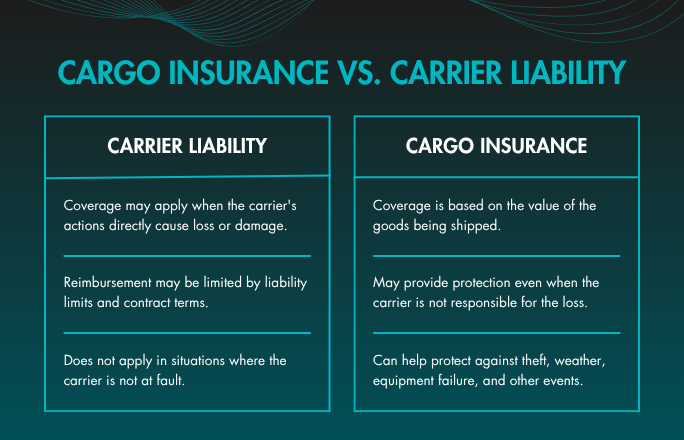
Cargo Insurance and carrier liability are often used interchangeably, but they are not the same.
Think of carrier liability as a legal responsibility when they are found to be at fault for loss or damage. For example, if a driver falls asleep and causes an accident, the carrier may be held liable for the damaged freight. However, reimbursement may be limited depending on the circumstances and applicable liability limits.
A separately purchased cargo insurance policy (sometimes called a shipper’s interest policy) takes a different approach. Instead of focusing on who is responsible, it focuses on the value of the goods being shipped. It may provide protection in situations where carrier liability doesn’t apply, such as theft, equipment failures, or other events that occur outside of the carrier’s direct control.
Let me paint you a picture.
A manufacturer ships $300,000 worth of product. They assume carrier liability will cover the full shipment if something goes wrong. After the freight is damaged, they learn the recoverable amount is much lower than the shipment’s value. They now have to replace inventory, manage customer delays, and absorb unexpected costs. The financial impact isn’t just the damaged freight. It’s everything that comes after it.
So when is carrier liability enough?
Not every shipment needs the same level of protection. Carrier liability may be enough for lower-value freight. But if losing a shipment could disrupt production, delay customer deliveries, or create major replacement costs, a separately purchased cargo insurance policy may be worth considering.
The key is understanding what’s at stake before the shipment moves, so you can choose the level of protection that makes the most sense for your business.
Understanding Shipping Contracts and Coverage Responsibilities
It’s easy to assume everyone involved in a shipment has the same understanding of who’s responsible if something goes wrong. In reality, shipping agreements can assign responsibilities, coverage requirements, and claim procedures differently.
While it may be tempting to skim through the fine print, those details can make a big difference if a shipment is lost or damaged. A shipping agreement may specify who is responsible for obtaining coverage, what documentation is required if a claim is filed, or how liability will be handled after a loss. If those requirements aren’t understood before the shipment moves, you may not realize there’s a gap in coverage until it’s time to file a claim.
It’s also helpful to understand that carriers must meet certain insurance requirements set by the Federal Motor Carrier Safety Administration (FMCSA). However, these minimum requirements are just that- minimums. They aren’t necessarily designed to match the value of every shipment moving across the country.
A carrier can be fully compliant with insurance requirements while hauling a shipment that’s worth far more than the available protection. Now, if that shipment is damaged or lost, that difference becomes your financial exposure.
The takeaway?
Don’t assume every contract, certificate, or coverage requirement offers the same level of protection. Understanding what’s required will prevent confusion and set clear expectations long before a claim enters the conversation.
Determining the Correct Value of Your Cargo
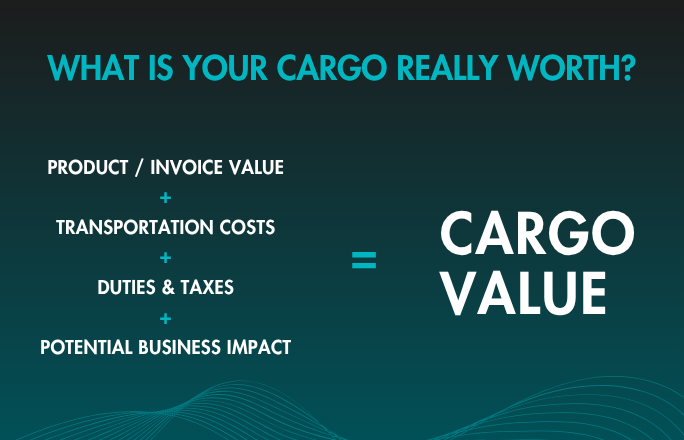
Understanding your cargo value affects more than just your insurance coverage. It influences your carrier selection, routing, shipment visibility, and contingency planning – all areas where experienced logistics partners (like Trinity) can reduce exposure before a shipment leaves the dock.
So, what is your cargo actually worth?
A good place to start is with the current market or invoice value of the goods being shipped. Depending on the type of cargo insurance policy you purchase, the insured value may also include other covered costs outlined in the policy.
But the value of your shipment isn’t the whole story. Also consider what a loss or delay would cost your business.
Those impacts can look different for every business. You may need expedited replacement freight to keep production running. Late deliveries can also lead to lost revenue, retailer chargebacks, and inventory shortages. The costs can add quickly.
It’s also worth thinking beyond the invoice itself. Maybe, you’ve had to overnight replacement products after a shipment was damaged. Or you’ve scrambled to find inventory when critical freight didn’t arrive on time. Those expenses add to the financial impact of a loss, even if they aren’t recoverable through a carrier claim or cargo insurance policy.
Know what your shipment is worth and what a loss could cost your business. That information can help you choose the right coverage before your freight moves.
What Affects Cargo Insurance Costs?
A truckload of office supplies and a truckload of pharmaceuticals may travel the same highway, but they don’t carry the same level of risk. Those differences can influence everything from the likelihood of loss to the type of cargo insurance coverage that makes sense.
What you’re shipping is one of the biggest factors. High-value commodities like electronics, pharmaceuticals, and alcohol are often targeted by thieves. In recent years, sophisticated fraud schemes, including identity theft and load impersonation, have made it easier for criminals to target valuable freight before it ever reaches its destination.
How and where freight moves also makes a difference. Cross-border shipments, theft hotspots, and multimodal transportation can increase the risk of disruption. Each type of shipment comes with its own challenges. Ocean freight, for example, presents different risks than over-the-road transportation, while specialized equipment or hazardous materials often require additional handling and protection.
As a general benchmark, cargo insurance costs typically range from 0.3% to 1% of a shipment’s insured value. That means a $500,000 shipment could cost approximately $1,500 to insure. But of course, it depends on commodity, route, and overall risk profile.
The more you understand your shipment’s risks, the easier it becomes to decide whether standard carrier liability is enough or if additional cargo insurance is worth considering.
When a Claim Happens, Documentation Matters
The actions you take in the hours and days after a shipment is lost or damaged can have a major impact on the claims process. Acting quickly and documenting the situation thoroughly can make the difference between a straightforward claim and a lengthy, frustrating one.
If freight is lost or damaged, time is important. Document the issue as soon as possible by taking photographs, preserving packaging materials and other evidence, and notifying the appropriate parties. While it may be tempting to throw away damaged goods, it’s often best to wait until they’ve been inspected or you’ve received a green light to do so.
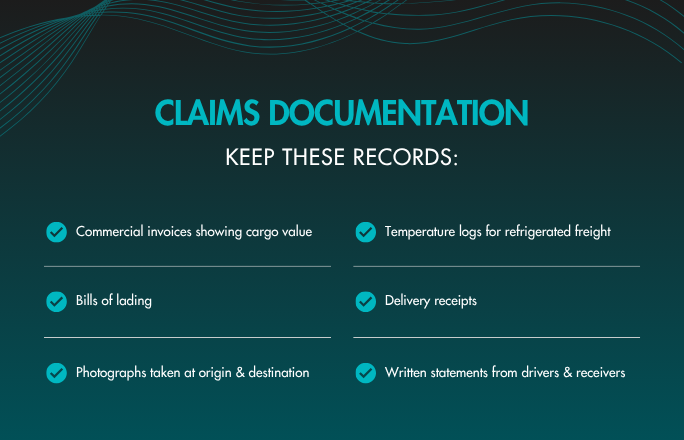
Supporting documentation is equally as important. The more information available, the easier to understand what occurred during transit. Common documents used during the claims process include:
- Commercial invoices showing cargo value
- Bills of lading
- Photographs taken at origin and destination
- Temperature logs for refrigerated freight
- Delivery receipts
- Written statements from drivers and receivers
When a shipment doesn’t go as planned, documentation helps tell the story of what happened. Without them, a single claim can become much more than a paperwork issue. It can leave your business absorbing financial losses that far exceed the value of the freight itself.
Before Your Freight Moves: A Quick Cargo Value Checklist
- Know your shipment’s value.
Confirm the shipment’s invoice or insured value before it ships.
- Review your coverage
Understand what carrier liability covers and whether additional cargo insurance is appropriate.
- Verify documentation requirements
Make sure invoices, bills of lading, and other required records are complete and accurate.
- Communicate shipment requirements
Share handling instructions, delivery expectations, and any special cargo requirements with everyone involved.
- Keep records organized
Store supporting documentation where it’s easy to access if a claim becomes necessary.
Protecting More Than Just Your Freight
Understanding your shipment’s value, your coverage options, and your potential financial exposure is only part of the equation. The next step is working with a logistics partner that helps reduce risk before it turns into an expensive problem.
At Trinity Logistics, we help shippers take a proactive approach to freight risk through qualified carrier vetting, shipment visibility, and experienced logistics support. From helping secure the right capacity to keeping you informed throughout transit, our Team works to reduce the disruptions that can lead to delays, unexpected costs, and complicated claims.
Because protecting your freight isn’t just about what happens after something goes wrong. It’s about making smarter decisions before your shipment hits the road.