01/20/2026 by Christine Morris
Master Heavy Haul: 5 Tips for Stress-Free Oversized Loads
Heavy haul and over-dimensional shipping require more than just power. They demand planning, precision, and experience.
In 2026, shippers aren’t just battling size and weight. They’re navigating tighter regulations, major infrastructure upgrades, labor constraints, weather predictability, and rising costs.
The stakes are higher, too. When oversized loads go wrong, the consequences ripple through entire projects.
- Project timelines stall
- Crews sit idle
- Cranes, installers, or field crews get rescheduled
- Equipment or infrastructure suffers damage
- Timelines collapse
- Safety risks increase
- Total project costs spike
But here’s the good news: a well-prepared shipper has more control than they think. With the right planning, tools, and logistics partner, heavy haul shipping becomes not just manageable, but predictable.
Below are five essential steps shippers can take to keep oversized freight moving safely, legally, and with total confidence.
5 Tips for Heavy Haul Shipping Success
- Know Your Heavy Haul Legal Limits
- Secure the Right Permits Early
- Chose the Right Trailer For Your Oversized Freight
- Timing Matters More than You Think
- Partner with an Experienced Heavy Haul Team
KNOW YOUR HEAVY HAUL LEGAL LIMITS
Every successful oversized shipment starts with precise measurements. A few inches off can trigger new permit requirements, affect routing, and change equipment options. In most states, oversized loads exceed:
- Width: 8’6”
- Height: 13’6” (up to 14’ in some western states)
- Length: 53’ for a standard trailer
- Weight: 80,000 pounds gross vehicle weight (GVWR)
See the exact oversize and overweight rules for your state in our Over Dimensional Shipping Guide.
View Over Dimensional Shipping GuideExact thresholds and exemptions vary by state, so always verify current requirements before you quote or schedule. Your exact dimensions will determine:
- Trailer type
- Permit requirements
- Allowed routes
- Escort vehicle rules
- Load securement requirements
Provide manufacturer spec sheets or blueprints as early as possible. It speeds up quoting, ensures accurate route planning, and helps avoid last-minute changes
SECURE THE RIGHT PERMITS EARLY
Oversized and overweight permits are where many shippers lose time. Every state, and sometimes each county, operates with its own rules, timelines, and restrictions. Managing them can be complex, but early planning prevents delays.
Permits often regulate:
- Axle weight and spacing
- Escort or pilot car needs
- Seasonal restrictions
- Travel time limits and curfews
- Weekend and holiday bans

Route planning is just as important. Planners must account for:
- Low bridges
- Overhead utilities
- Weight-restricted roads
- Narrow lanes or tight turns
- Construction zones or detours
- Seasonal closures and weather-related concerns
One delayed permit can derail an entire project. That’s why verifying jurisdiction requirements early, and rechecking them, is essential.
This is where Trinity’s Heavy Haul Team shines. We handle multi-state permitting, route optimization, and scheduling to keep your shipment compliant and delivering on time.
CHOOSE THE RIGHT TRAILER FOR YOUR OVERSIZED FREIGHT
Trailor selection does more than just “hold the freight”. It affects route flexibility, safety, total cost, and how much risk you’re really carrying.
Common heavy haul trailer types include:
- Flatbeds: For smaller, more basic over-dimensional freight
- Step decks and double drops: Great for moving taller equipment, provides extra height clearance
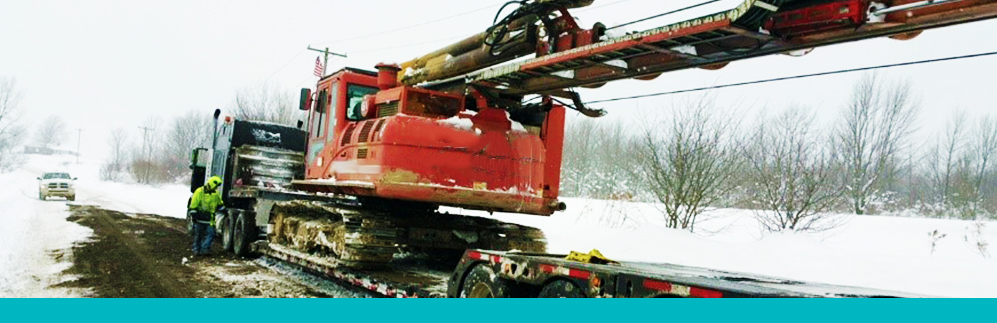
- Removable Goosenecks (RGNs): Great for drive-on heavy machinery
- Extendable/modular trailers: Best for long or irregular freight
The wrong equipment can:
- Restrict route options
- Trigger additional permits
- Create dangerous loading conditions
- Increase cost
A trusted 3PL (like Trinity) can match your freight with the right trailer, right carrier, and right securement plan from the start.
For more details on trailer types, explore our breakdown of flatbed and open-deck trailer options.
Flatbed Trailers: Which one should you use for your freight?TIMING MATTERS MORE THAN YOU THINK
Oversized loads can’t move whenever they want. Many states place limits on when oversize/overweight freight can move, which can impact crane schedules, install windows, and jobsite coordination.
Common restrictions include:
- Night hours
- Weekends
- Holidays
- Rush hour windows
That means you must schedule buffer time for:
- Permit processing
- Weather delays
- Construction reroutes
- Escort vehicle availability
- Mandatory driver rest breaks
Real-time visibility tools and constant communication help ensure no surprises along the way.
Trinity provides milestone updates, ETAs, and delivery confirmations so you’re never left guessing.
PARTNER WITH AN EXPERIENCED HEAVY HAUL TEAM
Heavy haul shipping is never a simple “post the load and go” situation. It requires tight coordination, regulatory expertise, and qualified carriers who understand the risks of oversized freight.
Partnering with Trinity gives you:
- A nationwide network of experienced heavy haul carriers
- Clear, upfront pricing
- Project planning when needed
- Permit and routing support
- Oversize/overweight regulatory expertise
- Real-time load visibility tools and proactive communication
- Additional cargo insurance up to $1,000,000 offered
- Claims guidance when needed
- Safe, compliant execution from pickup to delivery
Shipping heavy haul freight will always come with challenges. But with the right preparation and an experienced partner that acts as an advisor (not just a broker), it becomes much more predictable and far less stressful.
Trinity Logistics is here to help you carry the weight. No matter the distance, our People-Centric Freight Solutions® help keep your shipments safe, compliant, and on track with your project schedule.
Ready to move what others can’t?
Partner with Trinity Logistics to ship smarter, safer, and with total confidence.
Give Me a Quote For My Next Heavy Haul Shipment